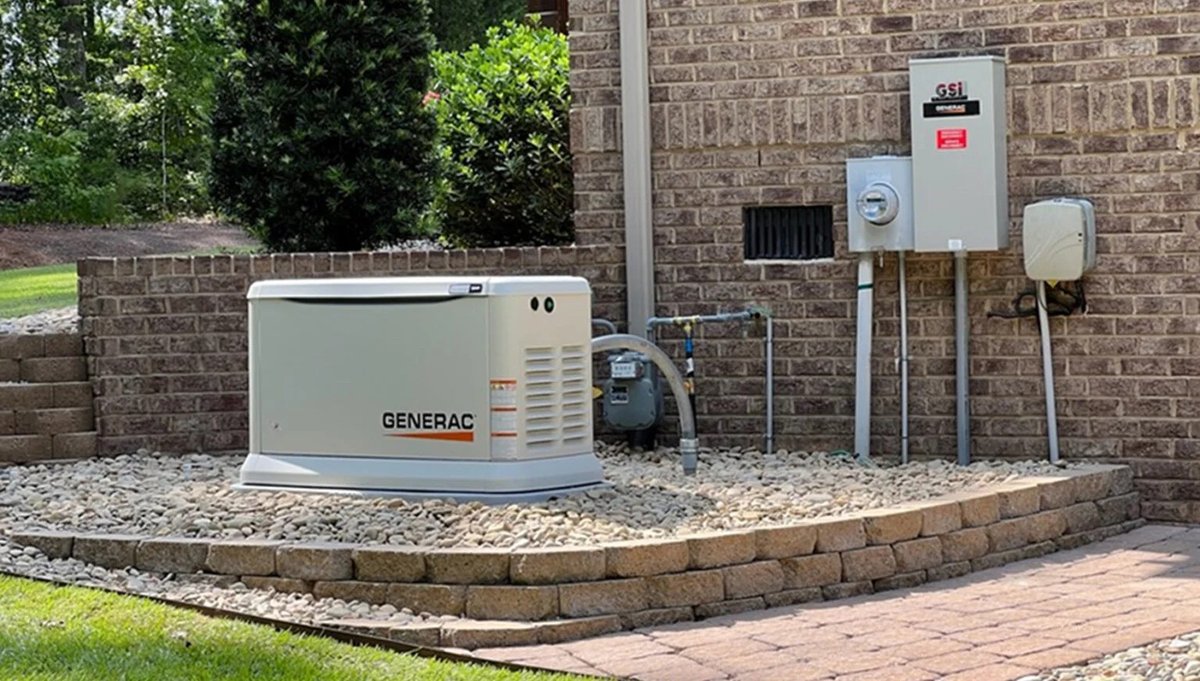
The lights flicker, the refrigerator hums a dying song, and another power outage leaves you in the dark. If you've been nodding along, you've likely considered the peace of mind a Generac whole-home generator can offer. But before you dive in, understanding the true Generac whole-home generator unit pricing – and all the factors that influence it – is crucial. It’s more than just the generator itself; it’s an investment in uninterrupted comfort and security.
Ready to understand the real numbers? Let's break down what you can expect when budgeting for this essential home upgrade.
At a Glance: What Generac Whole-Home Generators Cost
- Average Installed Cost: Expect to pay around $12,000 for a Generac whole-home standby generator, fully installed.
- Typical Range (Installed): Costs generally fall between $7,000 and $16,000 in the United States.
- Higher-End Systems: Premium installations, especially in urban areas or for larger homes, can reach $20,000 to $25,000.
- Unit-Only Price: The generator unit itself typically costs between $3,500 and $8,000, depending on its power output.
- Per-Kilowatt (kW) Installed: Plan for roughly $1,000 to $2,000 per kW of power, installed.
- Annual Maintenance: Budget $150 to $350 per year for routine service.
Why a Generac Whole-Home Generator is More Than Just a Purchase
Investing in a Generac whole-home generator isn’t just buying a piece of equipment; it’s acquiring a robust, automatic power solution. Unlike portable generators that require manual setup and refueling, a Generac standby unit senses a power outage and automatically switches on, keeping your essential systems – and often your entire home – running smoothly.
This seamless transition, powered by your home’s existing natural gas or propane supply, means no fumbling in the dark, no spoiled food, and no disruption to critical medical equipment or home office setups. It's a permanent fixture, weather-protected, and ready to kick in whenever the grid fails.
Deconstructing Generac Whole-Home Generator Unit Pricing: The Full Installed Picture
When you hear "Generac whole-home generator unit pricing," it’s easy to focus solely on the generator box itself. But the real cost is a comprehensive package that covers the unit, all necessary components, and the expert labor to get it running safely and legally. Typically, a professionally installed Generac standby system ranges from $7,000 to $16,000, with a national average hovering around $12,000.
What exactly does that installed price include?
- The Generator Unit: This is the heart of the system, ranging from 7 kW for essential loads in smaller homes to 30 kW+ for comprehensive whole-house coverage, including air conditioning. The unit alone typically runs $3,500 to $8,000.
- Automatic Transfer Switch (ATS): An essential component, the ATS is the brain that detects power outages and safely switches your home's power source from the utility grid to the generator, then back again when utility power returns. These switches can cost anywhere from $500 to $2,000, depending on their sophistication and amp rating.
- Installation Labor: This is a significant portion of the cost, covering electricians, plumbers (for gas lines), and general installers. Labor costs typically range from $2,500 to $5,000.
- Materials and Equipment: Beyond the generator and ATS, you’ll need wiring, conduit, a concrete pad for the generator, gas piping, and various other fittings. These materials often account for $2,000 to $4,500.
- Permits and Inspections: Local regulations vary widely, but permits are mandatory for safety and code compliance. Expect to pay $200 to $2,000 for permits and inspections.
- Delivery and Disposal: Transporting the unit and disposing of any old equipment can add $100 to $500.
- Contingency & Taxes: Always wise to factor in an additional 5-10% for unexpected issues, plus applicable state and local sales taxes (0-8%).
Considering all these elements helps paint a clearer picture of what a Generac generator pricing guide reveals when you look at installed costs versus just the unit price.
Peeling Back the Layers: What Truly Drives Generac Generator Costs?
Not all Generac installations are created equal. Several key factors can significantly swing your final cost, from the size of your home to where you live.
Generator Unit Size (Wattage): Powering Your Home's Needs
This is perhaps the biggest determinant of cost. The larger the kW output, the more expensive the unit and often, the more complex the installation.
- 7-11 kW: Ideal for smaller homes or for covering only essential circuits (fridge, lights, furnace, well pump).
- 14-22 kW: The sweet spot for average-sized homes seeking whole-house coverage, including some heavier appliances and possibly a smaller AC unit. This range often represents the core of typical Generac generator costs.
- 22-30 kW+: For larger homes, those with multiple AC units, or homeowners who want absolutely no compromise on power during an outage.
Think of it like buying a car: a compact sedan costs less than a full-size SUV. Similarly, a 10 kW Generac will cost considerably less than a 24 kW model. Per-unit prices typically range from $1,000-$2,000 per kilowatt (kW) installed, depending on the overall system.
Fuel Source: Natural Gas vs. Liquid Propane
Generac whole-home generators primarily run on natural gas or liquid propane (LP). Your choice can impact installation costs and long-term operating expenses.
- Natural Gas: If your home already has a natural gas line, this is often the most convenient and cost-effective option. The generator can tap directly into your existing supply, offering indefinite runtimes as long as the gas supply isn't interrupted. Installation might involve running a new, dedicated gas line from your meter to the generator, which can add cost depending on length and trenching requirements.
- Liquid Propane (LP): If natural gas isn't available, LP is an excellent alternative. It requires installing a large propane tank on your property, which adds to the initial setup cost. The tank's size will determine your runtime, as you’ll need to ensure it's refilled periodically. Propane line installation might also involve trenching.
The cost impact mostly comes from the infrastructure needed. If you need a new propane tank and its associated plumbing, expect higher initial expenses compared to simply extending an existing natural gas line.
Automatic Transfer Switch (ATS): The Brain of Your System
The ATS is non-negotiable for a true whole-home standby experience. It automatically starts your generator when power fails and shuts it off when utility power returns.
- Basic ATS: These are functional and reliable, handling the essential transfer. They typically cost $500 to $1,000.
- Upgraded ATS: More advanced models might offer load management features (prioritizing critical circuits), enhanced diagnostics, or compatibility with smart home systems, pushing the price up to $2,000.
The right ATS ensures seamless operation and protects your home's electrical system, making it a critical part of the overall Generac generator setup cost.
Installation Complexity and Local Labor Rates
This is where "hidden" costs can emerge, though a good installer will make them transparent.
- Site Preparation: A level, stable surface is paramount. This often means pouring a concrete pad ($100-$500) or preparing a gravel base.
- Fuel Line Length & Routing: The distance from your existing gas meter or propane tank to the generator unit, and whether trenching is required, greatly affects labor and material costs. Long runs or difficult terrain will add to the bill.
- Electrical Work: Connecting the generator to your home’s electrical panel via the ATS requires skilled electricians and appropriate wiring runs. Exhaust routing also needs to be considered to ensure safe ventilation away from the home.
- Site Accessibility: If the installer needs to bring in specialized equipment or navigate difficult terrain to place the generator, labor costs can increase.
- Local Labor Rates: Costs for electricians, plumbers, and general laborers vary significantly by region, directly impacting your overall installation expense. What an installer charges in, say, rural Arkansas will differ from what they charge in downtown San Francisco.
Permits and Inspections: Ensuring Safety and Compliance
Permits are not optional. They ensure your generator is installed safely and complies with local building codes, electrical codes, and gas codes. Expect to pay anywhere from $200 to $2,000 for the necessary permits and inspections, depending on your municipality. Some areas have stricter regulations or higher fees, impacting your total Generac generator installation price. Always ensure your installer handles all required permits.
Decoding the Generac Cost Estimates: Real-World Scenarios
To give you a more concrete idea, here are common Generac installation scenarios:
| Scenario | Generator Size (kW) | Fuel Type | Key Features | Estimated Installed Cost |
|---|---|---|---|---|
| Basic | 11 kW | Natural Gas | Standard concrete pad, basic ATS | $7,000 - $9,000 |
| Mid-Range | 14-16 kW | Propane | Upgraded ATS, moderate trenching, larger tank (if needed) | $12,000 - $15,000 |
| Premium | 22 kW+ | Natural Gas | Extended fuel line run, advanced monitoring, full whole-house coverage | $18,000 - $25,000 |
| These figures include the unit, transfer switch, permits, and professional labor, reflecting common scenarios across the US. |
Regional Impact: Where You Live Matters for Generac Pricing
Location isn't just about convenience; it's a major cost driver for Generac installations. Local regulations, labor rates, and even population density play a role.
- Urban Areas: Often see the highest costs, ranging from $9,500 to $20,000. Higher permit fees, increased congestion for delivery and work, and elevated labor rates contribute to this.
- Suburban Areas: Generally fall in the middle, with prices from $7,500 to $17,000.
- Rural Areas: Typically offer the lowest prices, from $6,500 to $15,500. This is often due to potentially shorter gas line runs, less stringent permit burdens, and lower overall labor costs.
Always get quotes from local, certified Generac dealers to understand the specific pricing in your area.
Beyond the Purchase: The Long-Term Cost of Owning a Generac
The initial installation is a one-time expense, but owning a Generac generator involves ongoing costs to ensure it's always ready when you need it.
- Annual Maintenance: Generac recommends regular maintenance, usually an annual check-up. This typically costs $150 to $350 per year and includes oil changes, filter replacements, battery checks, and general system inspections. Skipping this can void warranties and lead to costly repairs down the line.
- Fuel Costs: While not part of the unit pricing, fuel is an operating cost. Natural gas is generally cheaper and more convenient as it's continuously supplied. Propane requires tank refills, and its price fluctuates with market rates.
- Software/Monitoring: Some advanced Generac systems offer remote monitoring apps, which might come with a subscription fee after an initial free period.
Factor these long-term expenses into your budget to truly understand the full ownership picture.
Smart Strategies to Optimize Your Generac Investment
While Generac whole-home generator unit pricing can be substantial, there are smart ways to manage and potentially reduce your overall investment:
- Prioritize Your Needs: Do you truly need to power everything, including multiple AC units and a hot tub? Or would covering essential circuits (fridge, furnace, lights, water pump, a few outlets) suffice? Opting for a smaller kW unit for essential loads can significantly cut costs.
- Consider Base Models: Generac offers various series. Sometimes a more basic model within your desired kW range can save you money without compromising core reliability.
- Bundle Promotions: Keep an eye out for dealer promotions or bundled packages that might include installation discounts, extended warranties, or free maintenance for the first year.
- Off-Peak Installation: If you have flexibility, ask if installers offer better rates during their slower seasons.
- Plan Your Fuel Source & Location: Deciding between natural gas and propane early, and carefully selecting the generator's placement to minimize fuel line and electrical run lengths, can save on installation labor and materials.
- Get Multiple Quotes: Always solicit quotes from at least three different authorized Generac dealers. This provides a clear comparison of pricing, proposed solutions, and customer service. Ensure each quote is detailed and itemizes the unit, ATS, permits, and labor.
Generac Whole-Home vs. Other Generator Types: A Quick Look
While this guide focuses on Generac whole-home units, it's helpful to understand where they fit in the broader generator landscape, especially when looking at overall generator pricing.
| Generator Type | Unit Cost | Installed Cost | Power Output (Max) | Pros | Cons |
|---|---|---|---|---|---|
| Portable Inverter | $500 - $1,200 | $500 - $1,200 | 3-4 kW | Quiet, fuel-efficient, portable, safe for electronics | Low power, limited runtime, manual operation |
| Large Portable | $1,000 - $2,500 | $1,500 - $3,000 | 12 kW | Cheapest per watt, high power for portable, durable | Loud, manual refueling, not electronics-friendly, manual transfer switch (if any) |
| Home Standby (Generac, 10-18kW) | $3,500 - $5,500 | $8,000 - $12,000 | 18 kW | Permanent, automatic, whole-house capable, existing fuel, weather-protected | High installation, immobility, maintenance required |
| Whole Home (Generac, 22kW+) | $6,000 - $8,000 | $12,000 - $16,000 | 30 kW+ | Covers everything (including AC), automatic, permanent, robust | Highest installation cost, immobility, maintenance required |
| The "Whole Home" category, often interchangeable with larger "Home Standby" units, represents the pinnacle of residential power backup – offering full, automatic coverage for even the most demanding households. |
Addressing Common Questions About Generac Pricing
Is a Generac Whole-Home Generator Worth the Cost?
For many, absolutely. The investment brings unparalleled convenience, safety, and security. No more dealing with spoiled food, burst pipes in winter, or loss of essential medical equipment. For homes in areas prone to frequent or prolonged outages, or those with significant remote work requirements, the cost-benefit analysis often tips heavily in favor of installation. It also adds value to your home.
How Long Does Generac Installation Take?
Most standard Generac installations are completed within 1 to 4 days. However, complex jobs involving extensive trenching, difficult site access, or significant electrical panel upgrades can stretch installation time to a week or even longer.
Can I Install a Generac Generator Myself to Save Money?
No. Generac generators involve complex electrical, gas, and plumbing work that requires licensed professionals. Attempting a DIY installation is dangerous, could void your warranty, and is typically illegal due to permit requirements. Always use a certified Generac dealer for installation.
Taking the Next Step: Your Path to Reliable Power
Understanding Generac whole-home generator unit pricing is the first crucial step towards securing your home's power. Your next move should be to:
- Assess Your Needs: Determine which appliances and systems are essential during an outage.
- Consult a Certified Dealer: Reach out to local Generac dealers for on-site assessments and customized quotes. They can help you accurately size your generator and navigate the installation complexities. Don't be afraid to ask detailed questions about every line item on their quote.
- Review Financing Options: Many dealers offer financing plans to help spread the cost of this significant investment.
By doing your homework and working with reputable professionals, you'll gain clarity on the full Generac generator cost and be well on your way to enjoying uninterrupted power, come what may.